Clogged Grease Filters Cost Airflow and Energy
Nobody bills you for a loaded filter. It just pulls smoke into the dining room a little sooner each week, runs the exhaust fan a little harder, and turns up on the power bill as a number with no explanation. Here is what actually happens inside the hood as filters load up — and the routine that stops it.
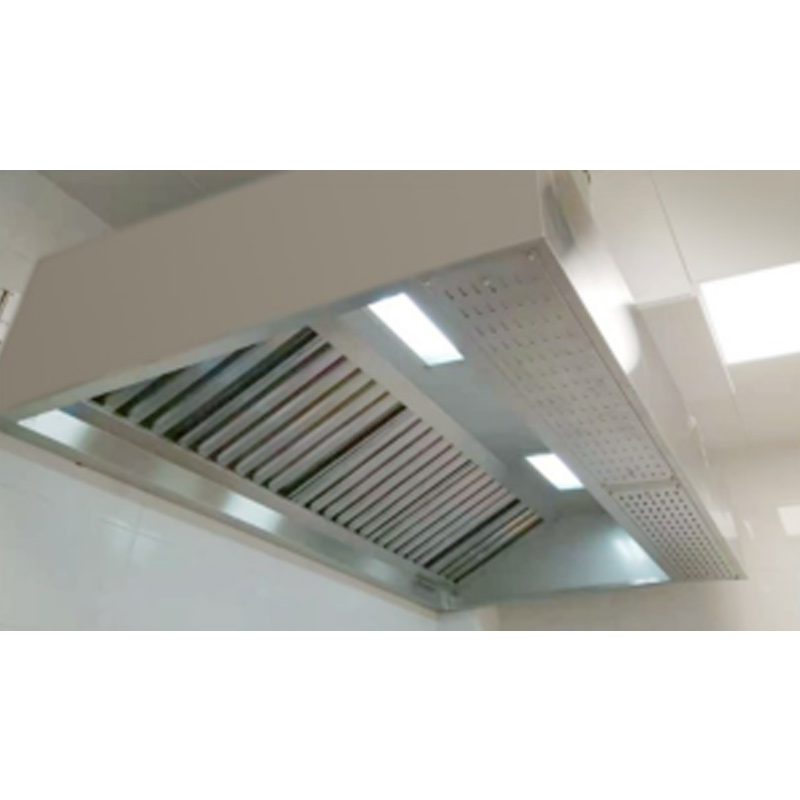
What grease loading does to pressure and airflow
A clean grease filter is an open path with a small, predictable resistance. Baffle panels in good condition typically sit in the low single digits of inches water gauge, a figure the hood designer already built into the fan selection. That is the whole idea: capture grease at the hood while letting the exhaust system breathe.
Grease loading changes the math. As cooked-on deposits narrow the channels and coat the surfaces, the panel's free area shrinks. The fan, still trying to move its rated volume, now works against rising static pressure. Airflow through the hood falls, capture velocity at the cooking surface drops with it, and the plume of grease-laden vapor starts escaping the hood's capture zone — first during the busiest minutes of service, then steadily.
The physics behind the pain is the fan laws. Pressure demand rises with the square of airflow, so resistance does not need to double before the system feels it. A filter bank that is half loaded is not a half-performance problem; it is the beginning of a system problem that shows up in smoke spillage, kitchen temperature and motor current all at once.
The energy chain: from filter to power bill
Ventilation is one of the large continuous loads in a restaurant. The exhaust fan runs ten to sixteen hours a day in most kitchens, and every watt it draws is paid for twice — once to push air out, and again to condition the makeup air that replaces it. Anything that makes the fan work harder therefore carries a double energy penalty.
A fouled system loses energy in three places. The loaded filter bank raises resistance, so the motor draws more current to move less air. Grease that slips past a saturated bank coats ductwork and the fan impeller itself, changing the blade profile and unbalancing the rotor — field service engineers report heavily fouled fans drawing substantially more current than clean ones for the same airflow. And weak capture lets heated air and smoke wander the kitchen, which staff then fight by opening doors or cranking makeup air, dumping conditioned air you already paid for.
Variable-speed drives soften the picture, not the problem. A kitchen with demand-controlled ventilation will ramp the fan to hold capture velocity against rising resistance — and pay for it at the meter. The drive can mask a dirty bank for a while; it cannot make a loaded filter breathe.
Warning signs your filter bank is loaded
You do not need instruments to catch most of this. Four observations, logged weekly, catch a failing bank long before the fire inspector does:
Smoke spillage at the hood edge. During a full line at peak service, watch the capture zone. Wisps escaping under the front lip mean capture velocity has dropped — a loaded bank is the first suspect, ahead of the fan.
Grease carry-over on the fan side. Wipe the back face of a panel. Heavy tack on the discharge side means grease is passing through the bank toward the duct — capture has degraded and the duct is now collecting what the filter missed.
Drainage channels that overflow. Baffle panels drain captured grease into catch troughs. Channels running full, or grease dripping from the panel's lower edge during service, mean the panel is past its working load.
Steadily rising fan current. If your exhaust fan has an ammeter or the drive displays load, log the number weekly. A slow upward drift with no change in cooking volume is the system telling you its resistance is climbing — usually the filter bank, sometimes the duct behind it.
Any two of these together justify pulling the panels for inspection the same week, not at the next scheduled wash.
A cleaning discipline that protects airflow
The fix is boring and effective: keep the bank close to clean, and clean it the way the structure expects. Baffle panels tolerate a wash in a commercial dishwasher or a soak in food-safe alkaline degreaser, followed by a thorough rinse and dry before refitting. Mesh panels need gentler handling — soak and brush without distorting the weave, because a bent mesh loads unevenly and bypasses air at the edges.
Interval discipline matters more than heroic scrubbing. Most heavy-frying kitchens wash baffles weekly; many run them through the rack dishwasher daily or between shifts during greasy seasons. Whatever the schedule, inspect frames for bends at every wash — a warped frame breaks the seal at the channel, and a bypassing panel is worse than a dirty one because the leak is invisible.
Avoid chloride-based cleaners on stainless. Chlorides attack the passive layer and are the most common cause of the pitting we see on returned panels — and pitted surfaces hold grease, shortening the very intervals you are trying to extend.
When cleaning intervals keep shrinking and the bank still loads fast, the honest conclusion is usually structural: the hood's duty has outgrown the filter in it. Upgrading to a higher-capacity baffle structure in the same footprint — or adding a Nano stage for fine smoke — restores realistic intervals instead of endlessly chasing them. NFPA 96's cleaning requirements assume a filter bank doing its job; a bank that cannot keep up makes every downstream surface clean more often and cost more.
The compliance angle inspectors actually check
Fire authorities inspect what they can see, and the filter bank is the first thing in sight. Grease raining from a loaded panel, residue on the fan side, or a bank of missing panels where somebody decided airflow mattered more than capture — each is a written finding. The underlying standard, NFPA 96, treats the filter bank as the first line of the grease path and expects it to be maintained, not merely present.
Energy and compliance pull in the same direction here. A clean, correctly specified bank minimizes resistance at the hood, keeps capture velocity where the designer intended, and leaves less grease in the duct for the cleaning contractor to remove. Every part of that chain saves money; none of it requires new equipment. It requires treating the filter bank as the working surface of the ventilation system — because that is what it is.
Quick answers
How does a dirty grease filter affect exhaust airflow?
Grease loading blocks part of the filter's free area, so the fan works against higher static pressure. Airflow through the hood falls, capture of smoke and grease-laden vapor weakens, and spillage can escape the hood into the kitchen.
How much energy can fouled kitchen ventilation waste?
Field experience suggests a heavily fouled exhaust fan can draw noticeably more current than a clean one to move less air, and loaded filters raise system resistance further. Fan laws mean pressure demand rises with the square of airflow, so small resistance increases cost real money on a fan running ten or more hours a day.
How often should grease filters be cleaned to protect airflow?
Most heavy-frying kitchens wash baffles weekly, and many run them through the dishwasher daily or between shifts. Watch smoke spillage at the hood edge and grease carry-over on the fan side: when either appears, the interval is too long.
Washing filters more than you should?
If your bank loads fast and your intervals keep shrinking, send us your cooking line description and hood sizes — we will spec a structure that holds capture without strangling airflow.