When to Replace Grease Filters: Wear Signs, Lifespan and Replacement Planning
A Friday lunch rush. A cook yanks a baffle to wipe it down, sees a panel that looks fine — wiped, racked, dry — and slides it back without checking the channel. The edge never meets the frame. Grease goes around it, air goes around it, and the bank keeps humming while it bypasses every cubic foot it was meant to catch. That is the failure nobody photographs, which is why "looks clean" is not the same as "still seals".
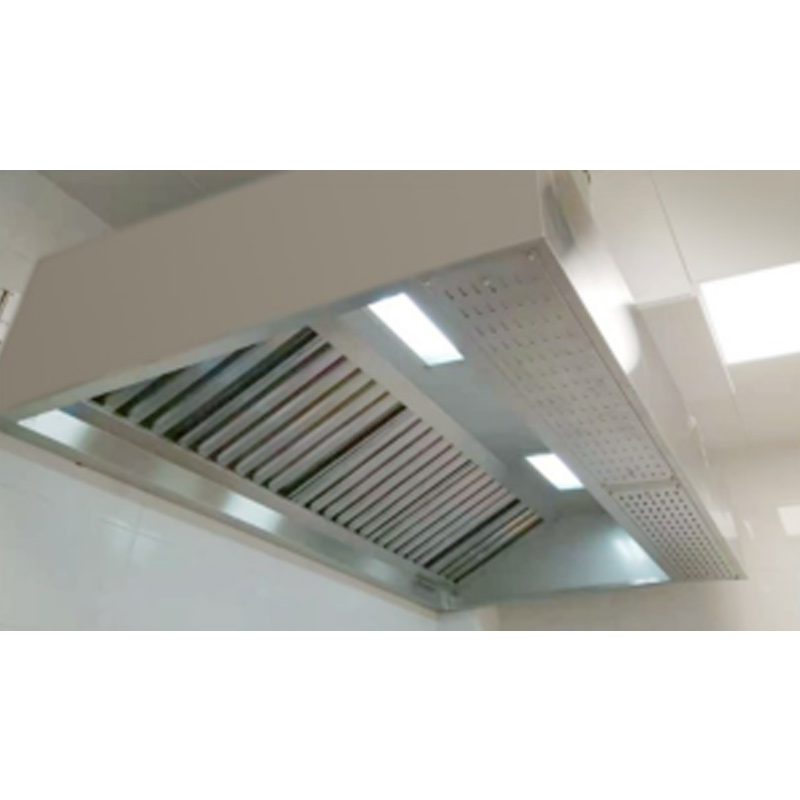
The clock on a panel: duty, not the stamp
Forget the calendar on a grease filter — it does not wear by the date. Over a light prep station a baffle sits quiet for years; slide that same panel over a four-basket fryer running fish every Friday and it ages on half the clock, grease load doubled, heat cycles doubled, the stainless taking it on the chin. Duty runs the clock. Not the stamp.
Two kinds of age, and the eye only sees one. Grease loads the panel; you soak it and an hour later it is gone — easy, visible, done. The other kind is the steel letting go. A frame that has taken ten thousand heat cycles. A handle yanked off at every pull until the weld at the root finally lets go. A pit where a chloride degreaser ate the passive layer on the stainless. None of that comes out in a sink. It is in the metal now.
That is the trap. The crew washes the bank, calls it good, and never asks whether the panel itself still seals and drains. Our grease filter cleaning schedule guide covers the washing intervals you should already be running. This piece covers the harder call — the moment a panel crosses from cleanable to worn, and no soak brings it back.
Wear signs: what the light finds
Pull every panel twice a year. Set it on a flat surface and check the seal edge. Any daylight through the gap means air and grease bypass the baffle entirely — and a bypassing panel is worse than a dirty one, because you cannot see the leak. It defeats the whole bank while looking fine.
Bent or cracked baffles come next. A vane knocked out of line breaks the air's turning path, so grease sails straight through instead of dropping the way the designer intended. A cracked weld at the handle fails the next time it is pulled — usually during a rush, when someone grabs it wrong.
Pitting is the cleaner eating the alloy — chloride degreasers chew the passive layer on stainless, and once pitting starts the surface holds grease and your wash interval shrinks on its own. That cheap jug is costing you the panel, not saving it. You paid for it twice.
Loose or missing handles matter more than they look. A panel you cannot grip gets dropped, dented, or left out of the bank while the hood runs short one. We watched a panel dropped at 3 p.m. in a Friday rush, dented, slid back anyway, and pulled three weeks later with a crack at the corner weld — a quiet failure nobody logged. Permanent staining that no soak removes is the last sign: it marks a panel past the point of return, and it never comes back to spec capture.
Repair or replace: the brutal call
Most panels are not worth the welder's time. A single bent vane, maybe — ease it back and it runs. But a warped frame or a cracked weld and the seal to the channel is gone for good. Stack a welder's hourly against a fresh panel and the math never closes in a working kitchen, because the line cannot stop for a repair the next pull undoes. A half-fixed panel is a finding with a date on it.
Keep the rule brutal. Seal edge gone — replace, no debate. A vane bent but the frame still true, you can ease it straight and run one more cycle, but write it on the board, because the next pull may be the one that finishes it. Anything you are unsure about goes to scrap. An unsure panel in the bank is a finding with a date.
Don't let sentiment drive this purchase. A filter is the cheapest part of the exhaust system by a wide margin. The expensive parts are the fan, the duct, and the inspection finding that follows a failed bank. Spending on a tired panel to get a little more life is saving the wrong dollar.
Planning the swap: rotation, spares, a slow day
Run two banks. One in the hood, one matched set cleaned and racked waiting. Come Friday pull, it is a five-minute swap, not a half-hour fight around a sink of hot panels — your line is down for minutes, not for the length of a wash cycle, and the inspector never sees you short a panel.
Hold spares equal to at least a quarter of the bank. A hood with forty panels should keep ten clean and ready at all times. That buffer covers a dropped panel, a cracked weld found at inspection, and the panel somebody "borrowed" to another station and forgot to return.
Schedule replacements around the slow day, never the rush. Pull the worn set on a Tuesday morning, fit the spare set, and rack the old ones for grading. You decide when the swap happens. The inspector should never be the one to discover a panel is missing.
What a failed bank actually costs
A baffle is a rounding error on the books. The number that matters is the cascade behind a bypassing panel — the duct loads faster, so the cleaning contractor shows up more often, and the invoice climbs. Capture weakens too; grease drifts onto the line the filter should have caught, and somebody wipes it by hand at the end of every shift. That wipe is the real cost, and it never appears on the filter line.
Budget the bank like the oil you burn, not like a capital line. A heavy fry line refreshes the whole bank every couple of years — no drama, no surprise, the same way you swap HVAC filters and never think about it. The kitchens that get burned bolt panels in and call them permanent. They aren't.
Track spend per panel per year. When that number climbs because intervals shrink, the structure has outgrown its duty. That is the moment to look at a higher-capacity baffle or a BH226 Nano second stage, not to keep buying the same panel more often. A Type U baffle rated to UL 1046 also gives you a listing that holds up when the inspector asks.
Inspectors: the bank is first in sight
First thing they see. A fire inspector reads the bank before anything else — a warped panel with a gap, grease dripping from a lower edge, a bank missing a panel and nobody able to say where it went. Each is a written finding on its own. NFPA 96 puts the filter bank first in the grease path — present, sealed, not visibly failing — and the inspector reads it as the tone-setter for everything behind the wall. Get the bank right and the duct gets the benefit of the doubt; get it wrong and the ladder comes out.
A tired bank also points at the rest of the system. An inspector who sees pitted, bent, bypassing panels assumes the duct behind looks worse, and plans the visit accordingly. Your filter condition sets the tone before anyone climbs a ladder — a clean, true bank buys the benefit of the doubt on the duct, where the expensive findings live.
UL 1046 covers grease filters for exhaust ducts, and a listed panel that is dented or pitted is no longer performing to its listing — the tag means nothing once the hardware lies. Do one thing before the next inspection: pull every panel, set it on the rail, and mark the date on the frame with a paint pen so the next pull has a compare point. A panel you can date is a panel you can retire on evidence, not on a guess.
Quick answers
How long do grease filters last?
No calendar decides it. A baffle over a quiet prep station runs for years; the same panel over a four-basket fryer on greasy loads daily is done in a fraction of that time — duty, heat cycles and the degreaser you pour on it call it, not the date stamp. Pull every panel twice a year. Retire anything with a warped frame, a cracked weld, or pitting you can see on the lip.
Can a warped baffle filter be repaired?
Usually no, and never worth it in a working kitchen. A warped frame breaks the seal to the channel — air slips around the baffle, an invisible leak that defeats the whole panel while it still looks seated. One vane bent on a true frame, you straighten it and write it on the board; anything at the frame or a weld goes to scrap. The panel is the cheapest part in the exhaust system. Treat it that way.
Should a kitchen keep spare filters on hand?
Yes. Hold a matched spare set of at least a quarter of the bank, so a Friday pull is a five-minute swap, not a scramble around a sink of hot panels. That buffer eats a dropped panel, a cracked weld found at inspection, and the panel somebody "borrowed" to another station. Run two banks and you own the swap — the inspector never makes it for you.
Not sure which panels to retire?
Send us your hood sizes and cooking line description — we will help you size a replacement bank and a spare set so your next inspection is a non-event.