How to Clean Grease Filters: Methods That Pass Inspection
Tuesday close, and the line cook pulls the first baffle out of the hood track. It comes down heavy with a week of fryer oil baked onto the blades. He drops it in the sink. Runs hot water over it. Calls it clean. The inspector does not agree the next morning. The grease the cook missed is already hardening back onto the metal. A splash-and-shake job is not cleaning. A method is cleaning - and the method decides whether your hood passes inspection or your kitchen smells like last week.
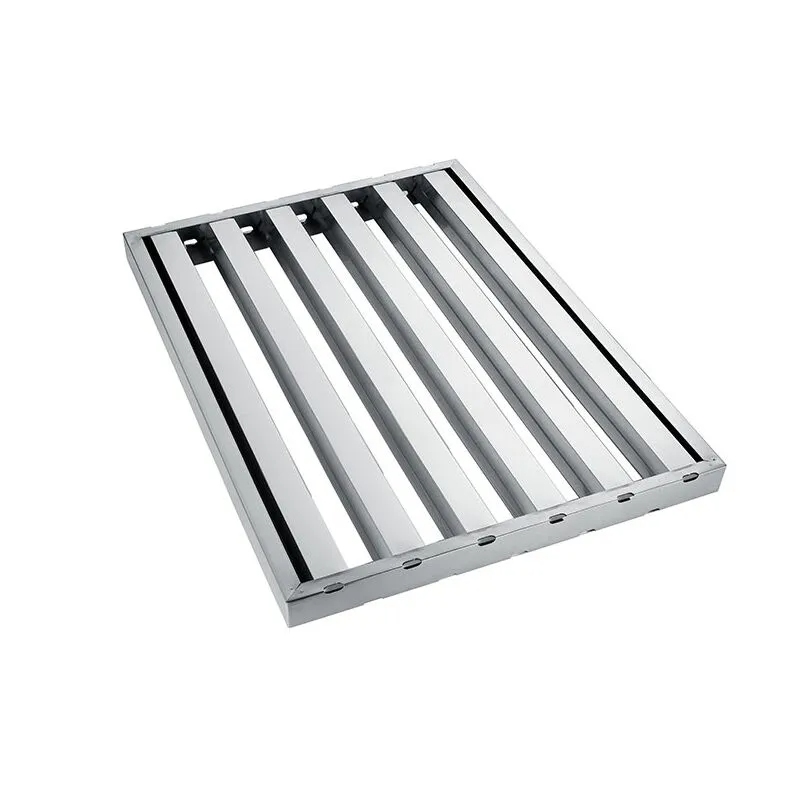
Why the cleaning method matters more than the cleaner
How clean is clean? That is the question the inspector answers for you. Wednesday, 11 p.m., and the fryer is finally empty. The line cook pulls the first baffle out of the track. It is heavy - a week of oil baked onto the blades, and the catch channels are dark. He drops it in the sink, runs hot water over it for ten seconds, and slides it back up. The hood looks fine from the floor. The inspector will not agree tomorrow.
A baffle catches grease by spinning it out of the air. The grease lands on the blades, drips into the channels. Leave that film on and it bakes with every heat cycle until the air path narrows and your fan works harder. NFPA 96 treats this as a fire hazard - the code is at nfpa.org. But the code does not care which degreaser you buy. It cares that you clean on a rhythm and clean right.
Kitchens burn labor on the wrong method. One cook scrubs a baffle with a steel brush until the blades streak. Another leaves filters soaking overnight and finds the aluminum pitted in the morning. The metal does not care how tired you are. It reacts to what you put on it and how long you leave it there. Clean right, and this takes minutes - not a midnight project.
Dishwasher: the method most commercial kitchens can actually sustain
Most baffle filters take a commercial dishwasher. Stainless panels run through with the regular load, blades facing down so the water hits the grease pockets instead of pooling in them. One cycle, out, dry. A kitchen we supply runs a full bank of Type U panels through every night this way. Come Friday, the filters come out bright.
The catch is what the dishwasher does not remove. Baked-on carbon from a heavy fryer line survives a normal cycle. That is when you pre-soak the worst panels in degreaser for fifteen minutes before the cycle. Not overnight. Fifteen minutes lifts the crust. Overnight attacks the metal. We have seen both. The difference between those two soak times is the difference between a filter that lasts years and one that shows pinholes after six months.
The soak method for filters the dishwasher cannot touch
Mesh and louver filters clog differently. Grease and crumbs weave into the wire grid and bake there. A dishwasher cycle just steams them. These panels want a degreaser soak - bus tub, hot water, twenty to thirty minutes - then a rinse with the sprayer.
The trick is the chemistry. Alkaline degreasers cut grease fast but stay hard on aluminum. A kitchen we know burned through a set of aluminum mesh panels in one season by soaking them in heavy caustic every week. They switched to a mild, aluminum-safe cleaner. Same panels are still in the track two years later. Check the metal before you pick the chemistry. Your filter supplier can tell you the alloy, and that answer changes the whole routine.
The drying step everyone skips and inspectors notice
A filter left to air-dry in a stack traps water between the blades. Stainless resists it, but the seams and frame corners hold moisture, and moisture is where the next round of buildup starts. Dry filters go back in the track. Wet ones go back dripping, and your hood fans pull that water straight into the ductwork.
A cook we know dries every panel with a clean towel before it goes back up. Two years, not one grease streak on the plenum wall. It adds ninety seconds a panel. It removes the single most common reason a freshly cleaned bank looks dirty again by Thursday. Dry the metal and the clean stays clean.
The weekly rhythm that keeps the whole bank honest
Heavy fryer lines clean the full bank once a week. Moderate kitchens can stretch to every two weeks. But the night before a scheduled inspection, the bank gets the full treatment no matter where it sits in the rhythm. A filter that is clean for the inspector but dirty for the cook does not protect your duct. The duct is where fires start.
Write it on the close checklist so it does not depend on who is working. Filter one comes out after close on Monday. Filter two on Tuesday. Spread across the week, the job is five minutes a night instead of a Friday-night marathon. We walk kitchens through this rhythm when they order replacement banks. The ones that follow it stop calling us about clogged filters and smoky kitchens.
When cleaning is not enough: the replacement signal
Thursday close, and the prep cook lifts a baffle out of the track. The frame is bent where somebody dropped it. He soaks it anyway. He scrubs it anyway. It still looks wrong. The filter is not dirty. It is done.
We watched a kitchen run a baffle like that for a month. The blades had warped. The catch channels had cracked. The fan pulled harder every night. The duct collector came back coated. The metal had given up. No degreaser fixed it. The new filter went in. The fan went quiet again.
Our rule: more than an hour of scrubbing to look right? Past saving. Replace it and put that labor back into the rhythm. Our replacement guide covers the wear signs, and the sizing guide shows how to order a bank that fits the track the first time.
Quick answers
Can grease filters go in the dishwasher?
Stainless baffles, yes - blades facing down, and a fifteen-minute degreaser soak first for the worst panels. Aluminum mesh is the exception. The dishwasher's caustic chemistry eats the softer metal, so hand-soak those in a mild aluminum-safe cleaner. We have seen one season of dishwasher cycles pit a mesh panel you could feel with a thumbnail.
How often should commercial grease filters be cleaned?
Full bank every week - that is the pace for heavy fryer lines, no exceptions. Moderate kitchens stretch to every two weeks. But the night before a scheduled inspection, the whole bank gets cleaned no matter where it sits in the rhythm - the inspector sees the bank, not your schedule. One kitchen we know stretched to three weeks and paid for it with a red tag on the duct collar.
What is the best degreaser for grease filters?
Match the metal, not the strongest bottle on the shelf. Alkaline for stainless, and it cuts grease fast. Aluminum gets a mild aluminum-safe cleaner - the heavy caustic that melts carbon will pit the softer metal over repeated use. A kitchen we supply learned that the hard way, and their aluminum panels looked like a salt lick after one season.
How do I know a grease filter is too worn to clean?
Warped blades, cracked catch channels, a frame that no longer seats tight - no degreaser brings those back, and the grease that should have been caught goes straight into your duct. Our rule of thumb: if a filter needs more than an hour of scrubbing to look right, it is past saving. Replace it.
Cleaning not keeping your hoods passing?
Tell us your filter type and cooking volume. We will match the right stainless bank and the cleaning rhythm that keeps it working.
Request a Quote