Hood Filter Installation: Correct Placement and Fit
Monday, 7:40 a.m., and the new hood is still wrapped in plastic. The contractor hangs the last panel, the inspector signs the plenum, the kitchen fires its first tickets by noon. Three weeks later the saute cook is coughing through the Friday rush and nobody blames the install — the bank looks clean from the floor. It is not clean. The baffles above that line went in backwards, and the air made the turn around the blades instead of through them. A filter sized right can still fail the hour it goes in. Baffles hung backwards, panels butted instead of overlapped, a track that was never true at install — these are the mistakes that pass a walk-by on day one and show up as smoke in the room a month later. Here is the field routine for putting panels in correctly and proving it before the access panel closes.
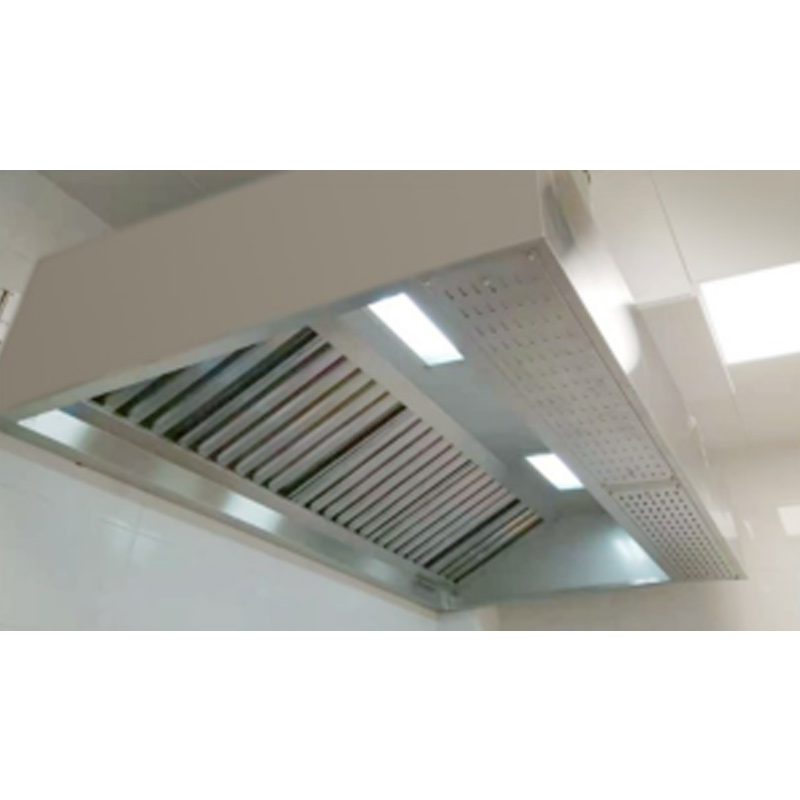
The install sets the behavior of every filter that follows
A new hood goes in on a Tuesday. The contractor hangs the panels, the inspector walks the plenum with a flashlight, the kitchen opens Wednesday. Three weeks later the cook on the saute station starts coughing during the Friday rush. Nobody blames the install. The filters look clean, the hood runs quiet, the ticket times hold. But the baffles above the saute line were seated backwards, and the air making that turn never met a blade. It went around.
This is the quiet failure. A replacement program — the kind in our replacement planning guide — assumes the panels already in the hood are doing their job. They are not. If the original install was wrong, every swap after it just rotates a bad setup. The grease you expected to land in the gutter rides the airstream into the duct and bakes onto the walls, waiting for a cleaning date that keeps slipping. The fix costs nothing at install and a full duct pull a year later.
We saw a 60-seat place run a $900 duct pull every nine months for three years before anyone opened the access and found the whole bank facing the wrong way. Three pulls. $2,700. One turn of every panel, done on the day the hood went in, would have stopped all of it. The cook never noticed. The grease just kept finding the duct instead of the gutter, one shift at a time.
So the install earns the same attention as the sizing, and the two are tied. You cannot seat a panel correctly in a track that was never measured — which is why we send every new build to our measurement guide before a footprint gets cut. Measure the opening. Then install to the opening, not to the panel you happen to have.
Baffle orientation: the sloped face takes the oil
Picture a single baffle blade in section, held up at 3 p.m. by a cook who never read the spec. One side is open and cupped, the other flat. Grease-laden air enters the open mouth, the blade forces it to change direction, the heavy grease cannot make the turn and drops onto the blade, then drains to the gutter. That open, sloped face has to point down at the cooking surface — at the rising vapor — for any of this to happen. The flat back sits to the plenum, where the cleaned air turns and leaves.
Hang the panel backwards and the geometry inverts. Air now hits the flat side first. The grease that should fall out gets carried past the blade into the duct. From the floor the bank looks completely normal. It is not. We have pulled backwards banks that were shedding close to a third of their rated catch and still looked fine to the cook standing under them. A backwards bank runs for months before anyone ties it to the film on the plenum walls, and by then the duct has eaten the savings.
Most panels settle the question for you. The frame carries a direction stamp, or the tie-rod side marks the plenum face, or the handles sit on the room side so a cook pulls the panel toward himself. None of these? Look at the blade profile under a light: the deeper, open channel faces the kitchen. Copy the panel next to it when you are unsure. If half the bank faces one way and half the other, that is an install defect, not a style choice.
Mesh and nano panels read orientation differently but fail the same way when flipped. A mesh screen with the coarse face to the room loads from the front and sheds; flipped, it clogs at the wrong layer and the pressure drop spikes early. Our BH226 nano panel carries the directional weave on the frame edge for exactly this reason. The install note travels with the carton, not the spec sheet nobody opens.
Seating into the track: overlap, not just insertion
Getting a panel into the channel is the easy part. Making it overlap is the part cooks skip at the end of a double shift. A correctly seated panel does not just sit in the track — its frame channel overlaps the next panel or the hood lip by one to two inches. That overlap is the only thing stopping air from walking around the joint. Grease-laden air is lazy. Given a seam with zero overlap, it takes the path of least resistance and never touches a blade.
The butt joint is the enemy. Two frames meeting edge to edge with no overlap look tight from below and leak from the side. You see it only with the bank out: slide the neighbor half an inch and a dark stripe of bypass grease marks the seam on the plenum side. One to two inches of overlap closes that stripe. A small number. A large difference. A kitchen we audited last spring had every joint butted — looked perfect from the pass, failed the light test at every seam, and the owner had been paying for a duct cleaning he did not need because the load never let the duct run clean.
Seating also means square. The frame should disappear fully into the channel on both sides, flat against the track, not riding a millimeter proud at one corner where a lip bent over. A proud corner is a gap, and a gap in a bank is an exit. Push the panel home with the flat of your hand on the frame. Never a thumb on the baffle face — that is how panels bow, and how the bow becomes a permanent fit complaint.
Ordering decides whether the overlaps ever line up. A bank cut as one run overlaps naturally at every joint. A bank assembled from individually ordered panels drifts a sixteenth of an inch at each seam until the last slot will not close. When a track takes a non-standard footprint, order the full bank to one drawing instead of filling gaps with whatever fits. We cut UL-listed panels to the track as one matched set, so the overlaps line up by construction, not by luck.
Tilt, clearance and the distance to the cooking surface
A filter is not a lid. It sits in the airstream, and the airstream is shaped by what sits below it. NFPA 96 sets the clearance between cooking equipment and the hood — the figure inspectors quote from memory is the 18-inch listing distance from the cooking surface to the filter bank for listed appliances under a listed hood. Treat that number as the design target, not a measurement you shave because the ceiling is low.
Thursday night, someone drops the bank two inches to clear a new line of stock pots. Two things break at once. The grease loads hotter and faster on the lower panels. The front of the bank saturates while the back stays clean. An uneven load. A visual check that lies. And the capture velocity over the front burners drops, so vapor escapes the hood mouth and films the wall behind the line. The install that saves six inches of duct run costs you a cleaning cycle a month — call it $400 a pop you did not need to spend.
Tilt belongs to the hood body, not the panels, but you still check it on the ladder. A baffle bank set dead level in a hood that is itself out of plumb drains to one corner. That corner is where the gutter overflows first. We have pulled banks where the drip ran one direction for a year and the cook thought that was normal. Confirm the hood frame is true before the first panel goes in. A laser level across the track opening takes ninety seconds and prevents a year of one-sided drips. The UL 1046 and NFPA 96 compliance notes cover how listing and clearance interact, and the clearance number is the one the inspector recites.
OSHA's kitchen guidance treats burns and slips from hot grease as leading young-worker injuries. A bank installed too low puts the hot load closer to anyone working the line — a cook reaching across a 14-inch gap instead of an 18-inch one. Keep the listed distance. It protects the duct and the people under it in the same move.
The light test and the corner that always escapes
Friday, close of service, the ladder is still up. Run the one check that exposes every defect at once. Kill the hood lights. Hold a work light behind the bank. Look up from the kitchen side. Any line of light at a frame joint is a line of air that will bypass the filter. A correctly seated, overlapped bank goes dark edge to edge. The light does not lie the way a floor-level glance does.
The corner that always escapes is the top outside edge of the last panel — the slot nobody stands under during service. It seats last. It is hardest to reach. And it is the one most often left proud by a half inch because the installer's arm ran out of room. That single proud corner becomes the path the vapor finds first. Air follows the easiest seam. The easiest seam is the one nobody checked. Run a hand along the top edge. If a corner lifts when you push it, it was never home.
The plenum side tells the rest. With the access open, look past the bank at the duct mouth. Uniform shadow means the bank is working. A bright streak running backward from one joint means bypass at that seam — overlap lost, frame bowed, or a panel cut a hair narrow for the slot. We have found banks where the streak pointed straight at a corner nobody had pulled in two years. Install problems, not washing problems. The light test finds them while the ladder is still up instead of at the next duct inspection, where the quote runs to $1,200 and a lost weekend.
Make the light test a closeout step, not a suggestion. The person on the ladder already has the access open and the gloves on. The check costs the time it takes to flip a switch. Kitchens that skip it find the same seam six months later, behind a film they now have to scrape.
Install mistakes that pass on day one
Some defects hide in plain sight. A backwards baffle bank looks complete from the floor and only confesses through duct loading months later. A butt joint with no overlap looks tight and only leaks at the seam you cannot see without pulling the neighbor. A panel ordered to the old insert rather than the track opening drops in loose, rattles on the fan, and leaves a hairline gap at each side that the eye reads as acceptable.
The bent track is the silent one. We watched a diner lose three sets of panels to a channel that was never straight at install — every one scarred at the same corner where the lip had gone paper-thin. Three sets. Maybe $90 a panel. True the track before the first panel. A crooked channel makes even a perfect filter fit wrong.
Mixing depths in one bank is the mistake that passes inspection and fails airflow. Two panel thicknesses in the same track leave a step at every joint. A step is a ledge the grease-laden air rides around. Keep one thickness per bank. If the original spec called for a depth your supplier no longer stocks, replace the full bank to the matched depth rather than blending old with new — you will pay for the blend in duct cleanings either way.
Finally, the missing overlap on the end panel against the hood wall. Installers close the bank and leave the last frame butted to the hood lip with no channel overlap, because the lip looks like enough. It is not. Air finds the wall seam the same way it finds a panel seam. The end panel should hook the hood lip by the same one to two inches everything else gets. The shop drawing we return with a quote marks that overlap so the installer is not guessing at the seam nobody can see.
Further reading
A cook once asked us where the 18-inch number comes from. It is not ours. It lives in the codes below, and the inspector will quote it back to you.
NFPA 96 — Standard for Ventilation Control and Fire Protection of Commercial Cooking Operations (nfpa.org)
International Mechanical Code — commercial kitchen exhaust provisions (IMC) (iccsafe.org)
OSHA eTool — Restaurant cooking safety: burns and equipment hazards (osha.gov)
Quick answers
Which way does a baffle grease filter face during installation?
A cook pulls a panel at 2 a.m. and holds it to the light. The cupped, open face belongs toward the cooking surface — toward the grease coming up — and the flat back sits to the plenum. Air goes in the mouth, hits the blade, and the heavy stuff drops instead of following the turn. Hang it backwards and it still looks right from the floor, but it catches a fraction of its rated grease and feeds the duct a little faster every shift. The cleaning schedule built around it quietly stops working.
How much should a hood filter overlap its neighbor in the track?
A cook slides the neighbor panel half an inch and finds the dark stripe. That is the answer. One to two inches of frame channel over the next panel or the hood lip is what stops air from walking around the joint. Two frames butted edge to edge with no overlap look tight from below and leak from the side — pull the neighbor and you see the bypass grease the seam marked on the plenum. Slide every panel fully home and sight down the bank. Any step at a joint is air that never touched a blade.
Why does a freshly installed filter still let smoke into the kitchen?
We get this call on a Tuesday: brand-new filters, smoke in the room. Almost always a fit problem, not a filter. A track bent at one corner seats the panel proud, a missing overlap leaves a seam, or the panel was ordered to the old insert instead of the opening and never fills the slot. Hold the bank up to the hood light before you close the panel. Any line of light at a joint is the exact line the smoke will follow.
Installing a new bank that actually fits the track?
Send us the track opening and cooking mix — we return a shop drawing with the overlap marked, then cut a matched UL-listed set to your footprint.