How to Replace Hood Grease Filters Without Shutting the Line
The physical swap takes ninety seconds a panel. What actually stops kitchens from replacing hood filters on time is everything around those ninety seconds — the spare that was never stocked, the drip that hits the flat-top, the new panel that will not seat. This is the working routine: stock, pull, seat, and the checks to do while you are already up there.
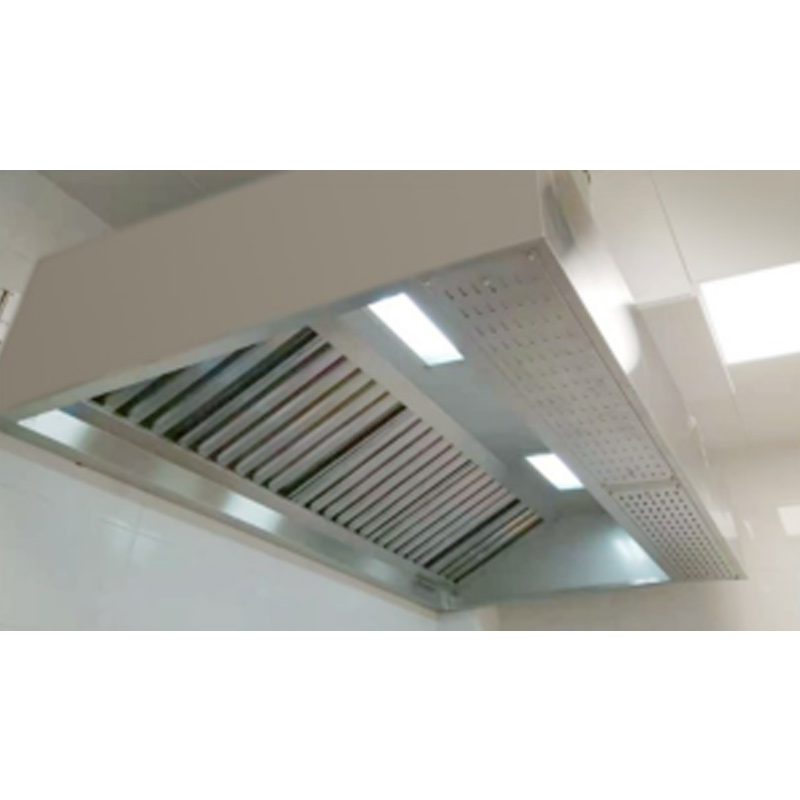
The swap is where kitchens get caught, not the schedule
Friday night, and the last panel in the bank is dripping. Not much — a bead at the lower corner, swelling while the fry line runs flat out. The cook working underneath has started leaning his station away from that side, and nobody asked him to. Nobody has written anything down either. Nothing happens tonight. But the fire inspector who walks in three weeks from now will read that bead the way you read a calendar: here is the week it started, and here are the six weeks of nothing that followed it.
The failure point in hood filter replacement is almost never knowledge. Every operator knows a dripping filter is past due, and NFPA 96 expects the whole exhaust system to be maintained on a schedule that matches the cooking load. What actually fails is logistics. No spare panel on the shelf. Nobody scheduled to do the swap. No bucket staged under the pull. So the replacement waits for a slow day that never arrives, and the bead grows a tail.
Treat the swap as a two-part job and it stops being a problem. Part one is a stocked rotation, decided once and sitting in your storage rack. Part two is ninety seconds of technique at the hood. Kitchens that struggle are usually trying to solve part two while part one does not exist.
Stock the bank before you pull a single panel
Two panels per slot. That is the entire inventory rule, and it is the difference between a maintenance program and a shopping trip. With two sets, replacement becomes a rotation: one bank in the hood while the other dries on the rack, and a loaded panel can come down the moment it needs to because its clean twin is standing three steps away. With one set, every replacement waits on a wash cycle, and washes cluster around closing time when nobody wants to be on a ladder.
Where the spares live matters nearly as much as having them. Dry shelving, out of the splash zone, laid flat rather than on edge — a panel stored on its edge in a wet corner of the kitchen grows a mineral line along the bottom channel that no wash fully removes. Keep them close enough to reach without a expedition, but off the cooking line itself, where a spare panel becomes a shelf for someone's sheet tray within a week.
One more rule while you are counting panels: one thickness per bank. Mixing panel depths in a single hood track leaves a gap at each joint, and a gap at the joint is a bypass — smoke walks straight through it while the filters look perfectly serviceable. If your track takes a non-standard size, order the full bank to match rather than borrowing one panel from another model. We cut custom footprints to match an existing track for exactly this reason, and the sizing math is the same one covered in our measurement guide: measure the track opening, not the old panel, because the old panel is the thing that stopped fitting.
Pulling loaded panels without painting the line brown
Ten seconds of patience first. Let the appliance under the panel idle so active spatter stops — you do not need to shut the station down, and you certainly do not need to close the kitchen. A hood filter is a slide-in panel, not a bolted assembly. The whole pull should end with the panel in a bucket, not in the fryer.
The technique lives in the tilt. Grip the panel by both frame edges, slide it along the track an inch to break it free, and bring the bottom edge toward you while the top stays in — the panel comes out angled toward the hood interior, so the first drips run back into the gutter instead of down the front of the hood onto the range. Pull a loaded panel out vertical, carry it flat across the kitchen like a tray of drinks, and you will mop a brown line from the hood to the dish pit. Every cook learns this exactly once.
Where does the panel go? Straight down into a bucket or a low tub carried to the station — never onto a worktop, where it drips onto the cutting board someone is about to use, and never carried edge-on at chest height, where the corner catches a pass and opens a gash. Gloves on from the start. The grease on a loaded baffle is hot-adjacent, slippery, and full of the carbonized crumbs that turn a small hand cut into an infected one. OSHA's restaurant safety guidance treats fryer and griddle burns as a leading kitchen injury for young workers, and filter swaps sit right next to that risk on the same ladder.
Seating the new panel: three checks before you let go
Orientation first. A baffle's channels only catch grease in one direction — the entry slots face the incoming airflow, the throw-off lip faces the exhaust plenum. A baffle hung backwards still looks completely fine from the floor. It also captures a fraction of what it should, loads the duct faster, and turns your whole cleaning schedule into a lie. Most panels carry the direction on the frame stamp or the tie-rod side; if yours does not, look at the neighbor and copy it.
Seating second. The frame edges should disappear fully into the track on both sides, with the panel sitting square in the channel — not resting on a bent lip, not riding a millimeter proud at one corner. A proud corner is a gap, and a gap in a bank is where smoke exits unfiltered. Slide the panel fully home with the flat of your hand on the frame, not a thumb on the mesh or the baffle face, which is how panels get bowed in the first place.
Neighbor third. Sight down the front of the finished bank. Panels should meet flush, no steps at the joints, nothing cocked in the track. If one slot never seats right no matter which panel goes in, stop blaming the panels — the track is bent, usually from a loaded panel that was pried out by the frame edge instead of slid. A bent track strips the lip off new panels within weeks and quietly becomes the reason your replacements never last. Fix the channel before the next rotation.
Timing the swap inside a real service day
Opening is the slot that works. The line is cold, the grease in the panels has set solid, panels weigh half what they weigh at close, and nobody is mid-ticket under your ladder. A full bank swap at opening costs twenty minutes with two people and no drama. The same swap attempted at 7 p.m. on a Friday costs an argument and a burn risk.
Mid-service replacements are still fine for the one panel that cannot wait — the dripping corner, the one feeding visible smoke back into the room. That is exactly what the spare stock exists for: pull the offender, seat the twin, done in ninety seconds, service uninterrupted. What mid-service is not for is the full bank. Batch the full swap to the quiet window and let the rotation carry the load in between.
How often the rotation turns depends on your cooking mix, not the calendar — a broiler-heavy line loads a bank in days that a steamer-heavy line takes weeks to match. The condition checks are the honest clock: shiny wet channels in the baffles, dark caked weave in a mesh panel, any bead forming at a frame corner. Our replacement planning guide covers the retirement side — bent frames, cracked welds, pitting that survives a wash.
While you are up there: the ninety-second inspection
The person doing the swap is already on the ladder with gloves on. That makes them the cheapest inspector the kitchen will ever hire, and the checks add no time because the eyes are already there anyway.
Track, first: run a finger along the channel where the panel just came out. Bends, flat spots, a lip that has gone paper-thin from years of pry-outs. Gutter, second: the trough under the bank should drain, not hold — a gutter holding standing grease is a gutter with a blocked drain hole, and it will find the seam eventually. Bank behind, third: look past the panels at the plenum opening. Grease streaks running backward from the bank mean bypass — smoke escaping around the panels instead of through them — and that is a seating or a sizing problem, not a washing one.
The retired panel gets one check too, before it goes into the wash rack: frame straight? Welds intact? Channels cleanable? Panels that fail this check go on the scrap pile now, not after a wash cycle revives them for one more week of leaking. A rotation only stays honest if the panels leaving it are actually retired.
None of this needs a form. It needs a habit and someone who knows what they are looking at — and a supplier who will cut listed panels to your track when the old bank finally gives out. The swap itself stays ninety seconds. Everything around it is what makes those ninety seconds possible.
Further reading
NFPA 96 — Standard for Ventilation Control and Fire Protection of Commercial Cooking Operations (nfpa.org)
OSHA eTool — Restaurant cooking safety: burns and equipment hazards (osha.gov)
Quick answers
How long does it take to replace a hood filter?
About ninety seconds a panel once the routine exists: tilt the loaded panel back into the hood, lift it clear of the track, seat the spare, done. The real cost is preparation — a stocked spare bank, a bucket staged under the pull, gloves within reach. Kitchens that keep two panels per slot turn replacement into a rotation instead of a shopping trip.
Do you need to turn off equipment to replace the filter above it?
Not the whole line. Let the appliance under the panel idle for ten seconds so active spatter stops, then pull. The tilt matters more than the switch: bring the panel out angled toward the hood interior so the first drips land in the gutter, not on the range below. A panel pulled out vertical and carried flat across the kitchen paints the floor the whole way.
Why does a new filter not sit right in the hood track?
Usually the track, not the filter. Tracks bend when loaded panels are pried out by the frame edge, and a bent channel seats a new panel crooked or not at all. Measure the track opening rather than the old panel, and keep one panel thickness per bank — mixing sizes leaves a gap at the joints that sends smoke straight through.
Building a spare bank that actually fits?
Send us the track opening and cooking mix — we will quote a full spare set in your exact footprint, one thickness per bank, handles to match.